Dental Implants in Chicago, IL
One gap can do a surprising amount of damage. Beyond the obvious change to your smile, a missing tooth invites bone loss, lets neighboring teeth drift out of line, and makes chewing harder. Dr. Raffi places dental implants at Dr. Raffi General & Implant Dentistry that look, feel, and work just like natural teeth. An implant is the only tooth replacement that preserves the jawbone and shields the surrounding teeth, so you get a permanent, confident smile back.
What it is
Think of it as a full tooth replacement, root and all. A titanium post is placed in the jawbone, fuses with it, and then supports a custom porcelain crown, so the missing tooth is restored permanently from root to crown.
Who it's for
This is the choice for anyone missing a single tooth who wants it back permanently and naturally. The implant keeps the jawbone stimulated and leaves the neighboring teeth completely untouched.
How we help
Precise placement starts with digital imaging and CT scans. From there we map a treatment plan to your mouth and finish with a crown that looks and functions exactly like the natural tooth it replaces.
Nothing comes closer to your own tooth than a dental implant. Book your consultation today.
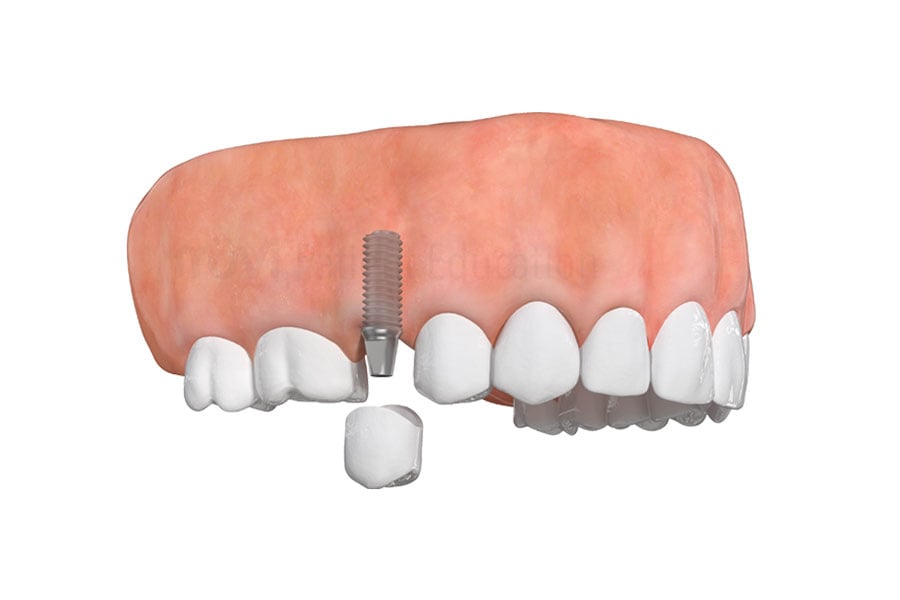
Dental Implant vs. Traditional Bridge
- Preserves neighbors: An implant stands on its own, with no filing down or crowning of healthy adjacent teeth
- Prevents bone loss: The titanium post stimulates the jawbone just like a natural root, keeping it strong and healthy
- Lasts a lifetime: With proper care, dental implants can last your entire life, while bridges typically need replacement every 10–15 years
- Easier to maintain: Brush and floss normally, with no special tools or threading required
- Natural feel: An implant looks, feels, and functions exactly like your real tooth
- A bridge relies on crowning the teeth on either side, which can damage them over time
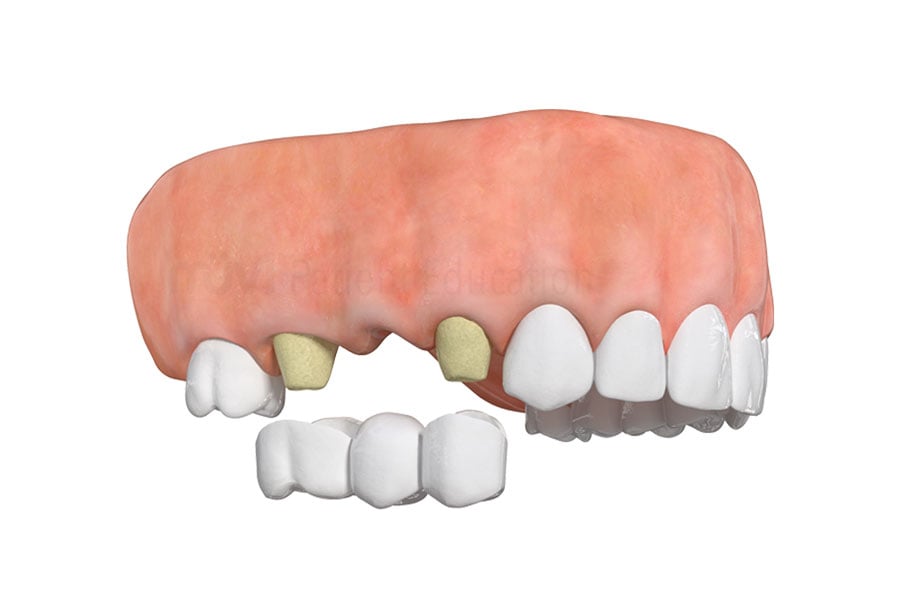
Why Choose an Implant?
- Looks natural: Your new tooth is virtually indistinguishable from your real teeth
- Eat anything: No dietary restrictions, so you can bite and chew with full confidence
- Stays in place: Permanently anchored in your jawbone, with no slipping, shifting, or adhesives
- Protects your jaw: Prevents the bone deterioration that occurs when a tooth root is missing
- One-time investment: Implants don't need to be refitted or replaced like bridges and dentures
- Learn about flexible financing options to make implants affordable
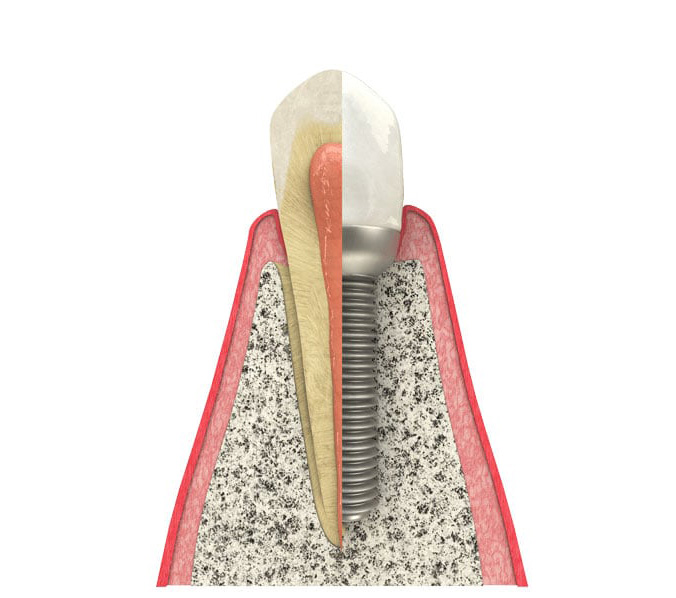
The Implant Process
- Consultation: Dr. Raffi examines your teeth with digital X-rays and CT scans to create a precise treatment plan
- Implant placement: A small titanium post is placed into the jawbone under local anesthesia
- Healing period: Over 3–6 months, the implant fuses with the bone in a process called osseointegration
- Abutment: A connector piece is placed on the implant to support the crown
- Crown placement: A custom porcelain crown is attached, completing your new tooth
- In some cases, bone grafting may be needed before implant placement
For replacing a tooth, dental implants set the standard. See if you're a candidate.
What to Expect at Your Visit
Visit Steps
- Evaluation: Dr. Raffi thoroughly examines your teeth and jawbone using advanced diagnostic imaging
- Treatment plan: You receive a personalized plan including timeline, cost, and what to expect at each stage
- Implant surgery: The procedure is performed under local anesthesia, and most patients report minimal discomfort
- Healing: The implant integrates with your jawbone over several months
- Final restoration: Your custom crown is placed, completing your new smile
Helpful Tips
- Most patients return to normal activities the day after implant surgery
- Follow post-operative care instructions carefully to ensure successful healing
- Avoid hard or crunchy foods near the implant site during the initial healing period
- Maintain excellent oral hygiene by brushing twice daily and flossing around the implant
- Attend all follow-up appointments so Dr. Raffi can monitor healing progress
- With proper care, your dental implant can last a lifetime
Frequently Asked Questions
From placing the implant to seating the final crown, the dental implant process usually spans three to six months. Most of that time is healing, while the titanium post fuses with your jawbone in a process called osseointegration. That biological bond is what gives an implant its lasting strength.
If bone grafting is needed first to rebuild the site, the timeline stretches a bit further. Dr. Raffi lays out a realistic schedule at your consultation so you know what to expect at each stage.
The implant is placed under local anesthesia, so you feel no pain during the procedure itself. Many patients are surprised by how manageable the recovery is, often comparing it to having a tooth removed rather than anything more involved.
Any soreness in the days that follow is typically handled well with over-the-counter pain medication. Following the aftercare instructions closely keeps you comfortable and supports smooth healing around the new implant.
With good oral hygiene and regular checkups, the titanium implant itself is designed to last a lifetime. Because it fuses with the bone and is not vulnerable to decay the way a natural tooth is, it becomes a permanent part of your jaw.
The porcelain crown on top does the visible work of chewing and may show normal wear after fifteen to twenty years, at which point it can be replaced without disturbing the implant underneath.
Most adults missing a tooth make good candidates for a dental implant. The main requirement is enough healthy jawbone to anchor the post securely, along with reasonable overall and oral health.
If bone has already been lost, that alone does not rule you out. Bone grafting can rebuild the area first. Dr. Raffi evaluates your bone with digital imaging and confirms whether an implant is the right fit for you.
The cost of a dental implant depends on your particular case, including whether bone grafting is needed to prepare the site. While the upfront price can be higher than a bridge, an implant often proves more economical over time because it can last a lifetime rather than needing periodic replacement.
At our Chicago and Bourbonnais, IL offices, we give you a clear estimate during your consultation and offer flexible financing options to make treatment accessible.
An empty space rarely stays a simple gap. Over time the surrounding teeth tend to tip and shift toward it, your bite can change, and the jawbone in that spot begins to shrink from lack of stimulation. The neighboring teeth also become more prone to decay and gum problems.
The longer the gap goes unaddressed, the more complex and costly the eventual treatment tends to be. Replacing the tooth promptly with a dental implant helps keep the rest of your smile stable.
Often, yes, though a long-standing gap sometimes means the jawbone underneath has thinned and needs rebuilding first. Bone grafting restores that lost volume and creates a solid base for the implant.
Dr. Raffi assesses your bone density with imaging and recommends the best sequence to restore both the bone and the tooth, so a delay in treatment does not close the door on an implant.
Fill the gap for good. Request your dental implant consultation today.
Visit Dr. Raffi General & Implant Dentistry
Chicago Office
6215 W Touhy Ave
Chicago, IL 60646
Bourbonnais Office
876 N Convent St
Bourbonnais, IL 60914