Gum Recession in Chicago, IL
Every tooth is wrapped in a protective collar of gum tissue. Gum recession is what happens when that collar pulls back and slides down the tooth, exposing the root and leaving it open to decay, sensitivity, and further damage. Once the seal is broken, both the tooth and the bone beneath it are at risk. At Dr. Raffi General & Implant Dentistry, Dr. Raffi pinpoints what is driving your recession and recommends the treatment that will restore that protection and improve your smile.
What it is
Gum tissue gradually pulls back and exposes the tooth roots. That breaks the protective seal around your teeth, leaving the roots open to decay, sensitivity, and bone loss.
Who it affects
No one is immune, but it shows up most in adults over 40. The odds rise with gum disease, aggressive brushing, genetics, teeth grinding, and misaligned teeth.
How we help
First we evaluate carefully to identify the cause. When non-surgical treatment can address it, we start there; when it cannot, soft tissue grafting regenerates the lost gum tissue and restores coverage over the exposed roots.
Gum tissue that has receded won't regrow by itself. Treating it early keeps the damage from spreading.
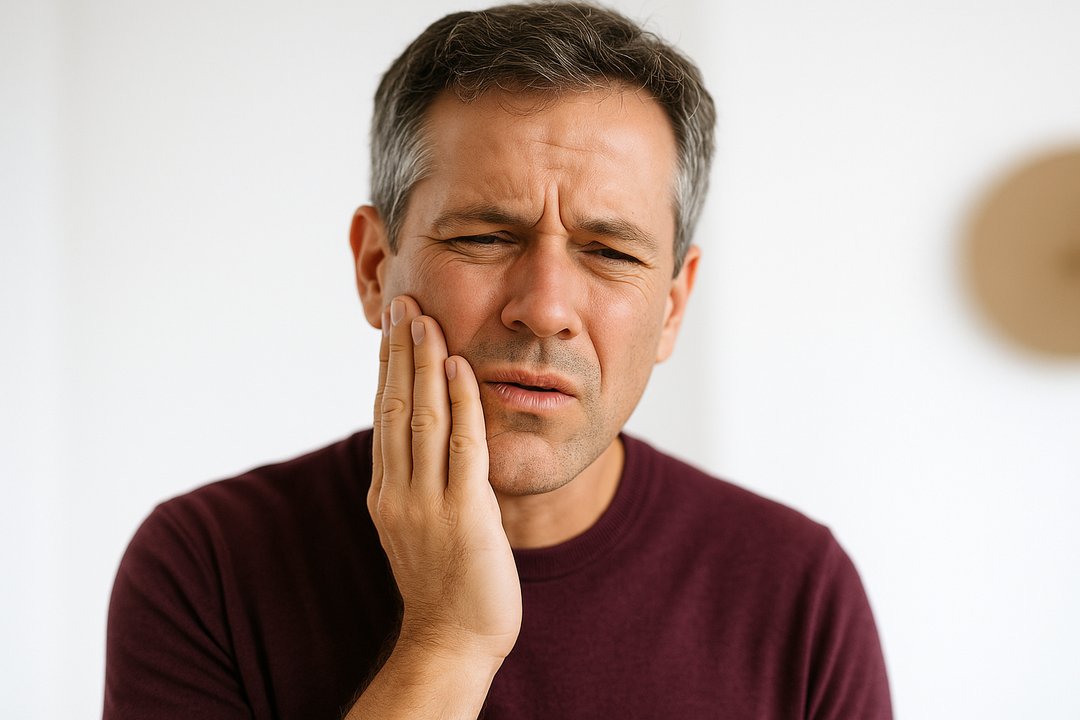
Symptoms of Gum Recession
- Sensitivity: Hot and cold temperatures cause discomfort as roots become exposed
- Longer-looking teeth: Teeth appear longer than normal as gum tissue pulls back
- Exposed roots: The darker root surface becomes visible below the gum line
- Discoloration: Exposed roots often appear yellowish or brownish compared to the crown
- Loose teeth: As supporting tissue is lost, teeth may become mobile
- Increased cavities: Exposed root surfaces are softer than enamel and more prone to decay
Causes of Gum Recession
- Periodontal disease: The bacteria associated with gum disease destroy the supporting bone and tissue
- Aggressive brushing: Brushing too hard or using a hard-bristled toothbrush wears away gum tissue
- Poor oral hygiene: Plaque and tartar buildup causes chronic inflammation and recession
- Genetics: Some people are genetically predisposed to thinner gum tissue
- Grinding and clenching: Excessive forces on teeth cause the gums to recede
- Misaligned teeth: When teeth don't align properly, uneven forces cause localized recession
Treatment Options
- Address the cause: If gum disease is present, scaling and root planing is typically the first step
- Soft tissue grafting: A gum graft can regenerate lost tissue and re-cover exposed roots
- Bite correction: Adjusting the bite or treating grinding can stop recession caused by excessive force
- Improved technique: Switching to a soft toothbrush and gentler brushing technique prevents further damage
- Night guard: A custom night guard protects against grinding-related recession
- Dr. Raffi will determine the best approach based on the cause and severity of your recession
Don't wait for mild sensitivity to turn into real pain. Gum recession is simpler to treat, and treatment works better, the earlier you act.
What to Expect at Your Visit
Visit Steps
- Evaluation: Dr. Raffi examines your gum tissue, measures recession, and identifies the underlying cause
- Diagnosis: You receive a clear explanation of your condition and what's causing it
- Treatment plan: Depending on severity, options may range from improved home care to soft tissue grafting
- Treatment: Non-surgical approaches are tried first when appropriate, and grafting is recommended when recession is significant
- Follow-up: Regular monitoring ensures recession has stopped and any grafts are healing well
Helpful Tips
- Switch to a soft-bristled toothbrush and use gentle, circular motions. Never scrub back and forth
- Don't ignore sensitivity, since it's often the first sign of recession
- If you grind your teeth at night, ask about a custom night guard
- Continue flossing. Proper technique won't cause recession, but skipping it allows gum disease that does
- Treat recession early, because the more gum tissue is lost, the more complex treatment becomes
- Ask about soft tissue grafting to restore lost gum tissue
Frequently Asked Questions
No. Once gum tissue has pulled away from a tooth, it does not regenerate or creep back up on its own, which is why acting sooner rather than later matters so much with gum recession.
The encouraging part is that lost tissue can be replaced. A soft tissue graft rebuilds the gum line and re-covers the exposed root, and treating whatever caused the recession in the first place keeps it from marching further down the tooth.
It can be, yes. An exposed root has none of the hard enamel that shields the crown of the tooth, so it is far more prone to decay, temperature sensitivity, and continued bone loss. If gum recession is ignored long enough, it can end in tooth loss.
The good news is that stepping in early changes the outcome. Once we identify and address the cause, we can usually stop the recession from progressing and, in many cases, restore the coverage that was lost.
In its early stages, gum recession is often painless, which is part of what makes it easy to miss. Many people first notice it only when a tooth starts to look longer than its neighbors or when the newly exposed root becomes sensitive.
As more of the root is uncovered, that sensitivity can sharpen, especially with hot, cold, or sweet foods and drinks. If you have started to feel those twinges, it is worth having the area looked at before the recession advances further.
Many of the causes are within your control, so a good deal of gum recession is preventable. The habits that protect your gum line include:
- Brushing with a soft-bristled toothbrush and a gentle, circular motion rather than hard scrubbing
- Flossing every night to keep gum disease at bay
- Treating teeth grinding, often with a custom night guard
- Keeping up with regular dental checkups
If thinner gum tissue runs in your family, early and regular monitoring becomes especially valuable, since we can spot recession before it becomes noticeable.
A gum graft, or soft tissue graft, is a procedure that replaces gum tissue lost to recession. Tissue is taken from the roof of your mouth or from a donor source and secured over the exposed root.
Once it heals, the graft restores the protective barrier around the tooth, eases the sensitivity that comes with an exposed root, and improves how the gum line looks. It is the most reliable way to reverse the coverage lost to gum recession.
Some signs you can spot yourself: teeth that appear longer than they used to, a visible root surface that often looks darker than the crown, sensitivity to temperature, or a small notch you can feel with your tongue right at the gum line.
That said, recession frequently begins in spots that are hard to see on your own. During a routine exam at our Chicago and Bourbonnais, IL offices, Dr. Raffi can measure your gum line and catch recession early, including in areas you would never notice in the mirror.
Guard your roots, and you guard your smile. Book your gum recession evaluation today.
Related Topics
Visit Dr. Raffi General & Implant Dentistry
Chicago Office
6215 W Touhy Ave
Chicago, IL 60646
Bourbonnais Office
876 N Convent St
Bourbonnais, IL 60914